


Strategic, Human, and Future-Ready: A Conversation with Cecilia McKenney of Quest Diagnostics
What does it take to lead 50,000 employees in a fast-moving, science-driven company? In this interview, Cecilia McKenney, CHRO of Quest Diagnostics, explains how HR drives growth, builds resilience, reinforces culture, and implements innovation.
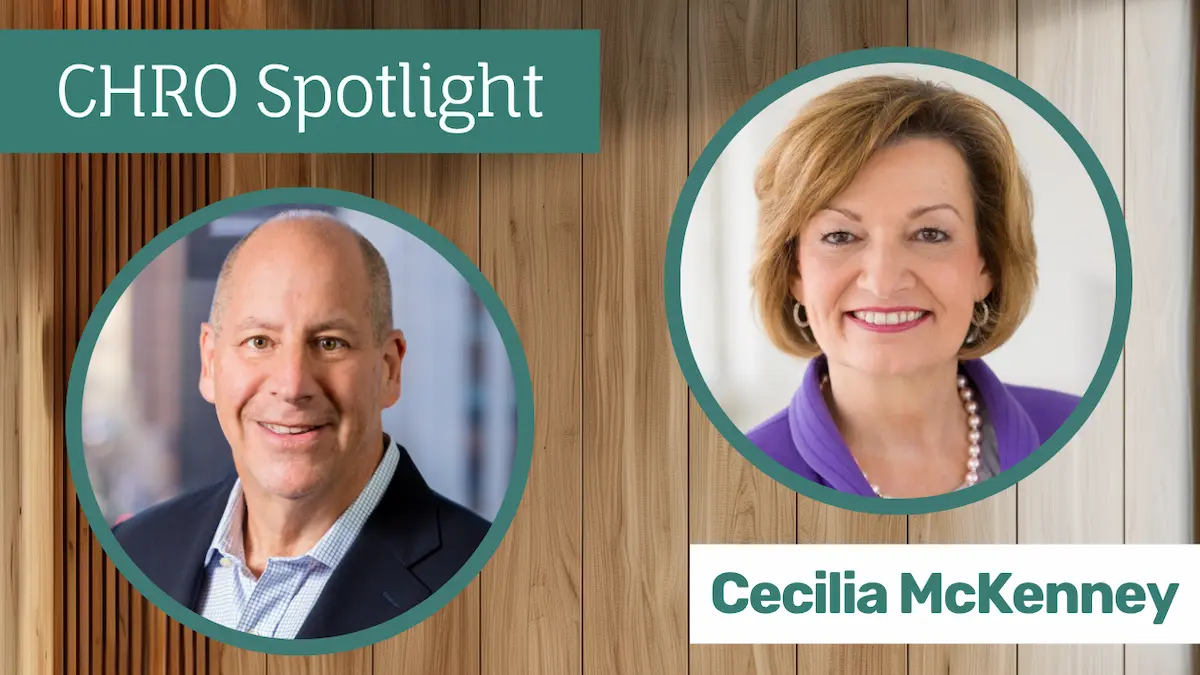
Since joining Quest in 2018, McKenney has led initiatives ranging from M&A integration to applying AI across operations. She speaks to Crenshaw Executive Chairman Bill Glenn on her leadership philosophy and the lessons HR and business leaders can use.
People-Centric Leadership in Action
Cecilia’s leadership style is grounded in listening. She regularly visits Quest’s front lines, from specimen processors to medical technologists, and holds open forums to hear directly from employees. This method creates real insight into business operations. The Gemba walk approach, borrowed from Japanese manufacturing, is central to how she leads. Weekly HR leadership meetings begin with purpose stories and business updates. These reinforce Quest’s mission and connect the team to measurable outcomes.
Rewriting the Role of the CHRO
The pandemic permanently shifted the role of the CHRO. It moved from occasional input to full-time strategic involvement. Cecilia partners closely with the CEO to lead with transparency, empathy, and a focus on execution.
In our talk, she covers:
How the CHRO supports executive decision-making and daily operations
How HR leaders are expected to understand business performance
How new federal executive orders require real-time strategy and alignment
Culture by Design
Cecilia views culture as a continuous process that requires attention and refinement. Quest invests in several systems to reinforce its values:
Monthly all-leader calls that include discussion and Q&A
A recognition platform that highlights employees, including personal notes from the CEO
Employee networks like Quest CAN, which lead community action initiatives
Every acquisition receives its own tailored onboarding process.
Applying AI with Purpose
Quest applies AI to improve accuracy and simplify work.
Examples include:
A chatbot that automates offer letters, background checks, and drug testing
Voice-enabled AI assistants on internal portals
AI that captures patient information during lab visits to reduce error
These tools help employees focus on critical tasks and reduce time spent on manual inputs. Cecilia encourages CHROs to secure funding for technology and stay ahead of workforce expectations.
The Gift of Feedback
Cecilia calls feedback a gift. She uses it to refine programs, improve strategy, and support her team. Frontline employees often provide the most direct insight. Senior leaders must be open to feedback and create space for honest conversation. Cecilia uses a communication rule she calls “seven times, seven ways.” Messages are repeated often and across multiple channels to build trust and reinforce importance.
Sign up for newsletter, blog and article updates

Most Recent Articles

Executive Leadership and Artificial Intelligence: Part 2
What can't be digitized? We explore why leadership judgment, alignment, and accountability remain fundamentally human,...
What can't be digitized? We explore why leadership judgment, alignment,...
Crenshaw Cameo | Bill Glenn March 2026
In our latest Crenshaw Cameo podcast, Bill Glenn explores AI’s biggest impact: expanding leaders’ capacity...
In our latest Crenshaw Cameo podcast, Bill Glenn explores AI’s...
CHRO Spotlight | Cecilia McKenney
Our conversation with CHRO Cecilia McKenney about her career path and her approach to leadership,...
Our conversation with CHRO Cecilia McKenney about her career path...